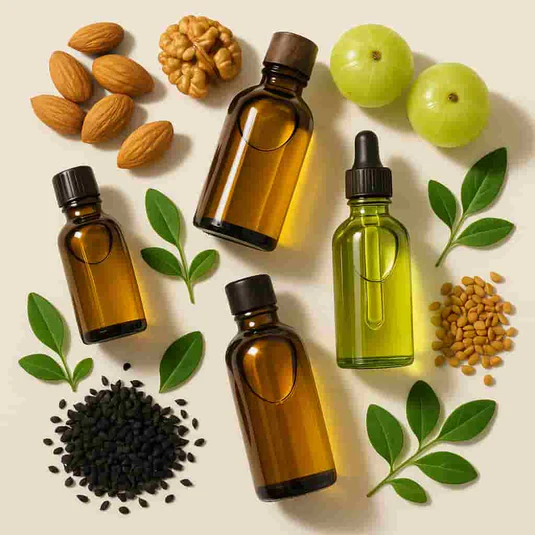
Cosmetic Chemicals: Essential Ingredients for Modern Beauty and Personal Care Products
Cosmetic chemicals play a vital role in the beauty and personal care industry. These specialized ingredients are used in a wide range of products, including skincare creams, shampoos, conditioners, soaps, lotions, makeup products, perfumes, sunscreens, and hair care formulations. Cosmetic chemicals are carefully selected to improve product performance, enhance appearance, increase shelf life, and provide a better user experience. As consumer demand for high-quality beauty products continues to grow, the importance of reliable and safe cosmetic chemicals has become greater than ever.
The cosmetic industry relies on a variety of chemical ingredients to create effective formulations. These ingredients serve different functions such as moisturizing, cleansing, preserving, coloring, emulsifying, thickening, and protecting the skin and hair. Manufacturers use cosmetic chemicals to ensure products remain stable, safe, and effective throughout their shelf life. Without these essential ingredients, modern cosmetic products would not be able to deliver the desired results consumers expect.
Surfactants are among the most commonly used cosmetic chemicals. They help remove dirt, oil, and impurities from the skin and hair. These ingredients are widely used in facial cleansers, body washes, shampoos, and liquid soaps. Surfactants create foam and improve cleansing performance while maintaining product quality. Popular surfactants include Sodium Lauryl Sulfate (SLS), Sodium Laureth Sulfate (SLES), and Cocamidopropyl Betaine.
Emollients are another important category of cosmetic chemicals. These ingredients help soften and smooth the skin by creating a protective barrier that reduces moisture loss. Emollients are commonly found in lotions, creams, moisturizers, and lip care products. Ingredients such as mineral oil, shea butter, dimethicone, and natural plant oils are widely used to provide hydration and improve skin texture.
Preservatives are essential cosmetic chemicals that protect products from bacterial, fungal, and microbial contamination. They help maintain product safety and extend shelf life. Common preservatives include Phenoxyethanol, Parabens, Benzyl Alcohol, and Potassium Sorbate. Proper preservation is critical because cosmetic products often contain water, which can support microbial growth if not adequately protected.
Emulsifiers are used to combine oil and water-based ingredients into a stable formulation. Many cosmetic products contain both oil and water, making emulsifiers necessary for maintaining consistency and preventing separation. Common emulsifiers include Glyceryl Stearate, Polysorbates, and Cetearyl Alcohol. These ingredients contribute to the smooth texture and pleasant application of creams and lotions.
Humectants are cosmetic chemicals that attract and retain moisture. They help keep the skin hydrated and improve the effectiveness of skincare products. Glycerin, Hyaluronic Acid, Propylene Glycol, and Sorbitol are popular humectants used in moisturizers, serums, and facial treatments. These ingredients help maintain healthy, soft, and youthful-looking skin.
Thickeners and stabilizers improve the texture and viscosity of cosmetic products. They ensure products have the desired consistency and remain stable during storage. Common thickening agents include Carbomer, Xanthan Gum, Hydroxyethyl Cellulose, and Guar Gum. These ingredients contribute to the luxurious feel and easy application of beauty products.
Colorants and pigments are widely used in makeup and personal care products. They provide attractive colors for lipsticks, foundations, eye shadows, blushes, and nail polishes. Cosmetic-grade pigments are carefully tested to ensure safety and compliance with industry regulations. Titanium Dioxide, Iron Oxides, and various approved color additives are commonly used in cosmetic formulations.
Fragrances are important cosmetic chemicals that enhance product appeal. Pleasant scents improve the consumer experience and help create a memorable product identity. Fragrance ingredients are used in perfumes, deodorants, body sprays, lotions, shampoos, and soaps. Manufacturers carefully balance fragrance performance with safety requirements to meet consumer expectations.
UV filters are essential ingredients in sunscreen and sun protection products. These cosmetic chemicals help protect the skin from harmful ultraviolet radiation that can cause premature aging and skin damage. Common UV filters include Zinc Oxide, Titanium Dioxide, Avobenzone, and Octocrylene. These ingredients provide effective sun protection and support healthy skincare routines.
The growing demand for premium skincare products has increased the use of active cosmetic ingredients. These specialized chemicals target specific skin concerns such as aging, pigmentation, acne, and dryness. Popular active ingredients include Vitamin C, Niacinamide, Retinol, Salicylic Acid, and Alpha Hydroxy Acids (AHAs). These ingredients help improve skin appearance and support advanced skincare formulations.
Safety and quality remain top priorities in the cosmetic chemicals industry. Reputable manufacturers follow strict quality control procedures and comply with international regulations to ensure product safety. Cosmetic ingredients undergo extensive testing to verify their effectiveness, stability, and compatibility with different formulations. Regulatory authorities around the world establish guidelines to protect consumers and maintain industry standards.
Sustainability has become a major trend in cosmetic chemical manufacturing. Many companies are investing in environmentally friendly ingredients derived from renewable resources. Natural extracts, biodegradable surfactants, and plant-based alternatives are increasingly used in modern cosmetic formulations. Consumers are seeking products that combine performance with environmental responsibility, encouraging innovation throughout the industry.
The future of cosmetic chemicals continues to evolve with advances in research and technology. Innovative ingredients are being developed to improve product performance, enhance safety, and meet changing consumer preferences. Biotechnology, green chemistry, and sustainable sourcing practices are shaping the next generation of cosmetic formulations. As the beauty industry grows worldwide, cosmetic chemicals will remain essential for creating safe, effective, and high-quality personal care products.
Cosmetic chemicals are the foundation of modern beauty and personal care solutions. From cleansers and moisturizers to makeup and sun protection products, these ingredients help deliver performance, stability, safety, and consumer satisfaction. Businesses that invest in high-quality cosmetic chemicals can develop innovative products that meet market demands and support long-term growth in the competitive beauty industry.

Reviews
There are no reviews yet.