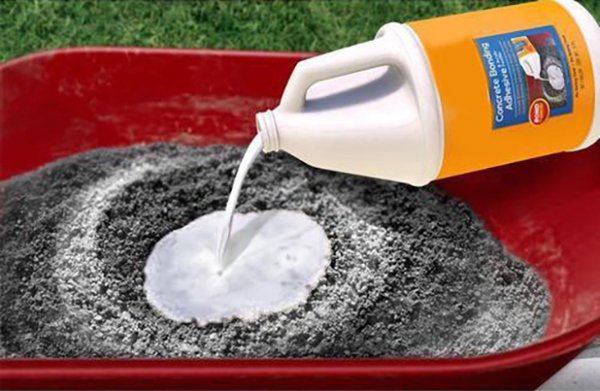
Most of the materials holding a building together are ones you’ll never see. The admixtures mixed into concrete, the waterproofing membranes buried beneath grade, the sealants tucked inside expansion joints. Construction chemicals do their work quietly. But when someone picks the wrong product or sources from a subpar supplier, the consequences show up loud and clear. Cracked foundations, leaking basements, peeling coatings, and repair bills that blow past the original budget.
The challenge is that the construction chemicals market is enormous. You’ve got hundreds of products across multiple categories, each with its own performance specs, application requirements, and compatibility concerns. A superplasticizer that works perfectly in one climate can fail in another. A waterproofing membrane rated for 600% elongation means nothing if it’s applied to the wrong substrate. Getting these details right matters more than most people realize.
This guide breaks down the essential categories of construction chemicals products, from admixtures and waterproofing systems to adhesives, sealants, and protective coatings. It also walks you through how to evaluate suppliers and make smarter procurement decisions that save money without cutting corners.
Essential Categories of Construction Chemicals Products and Their Applications
Concrete Admixtures: Performance Enhancement Solutions
Modern concrete depends on specialized admixtures to meet demanding performance requirements. Superplasticizers represent one of the most transformative concrete chemicals products available today. These high-range water reducers cut water content by 20-40% while keeping the mix workable and easy to place. The result? Concrete that’s significantly stronger and more durable. You’ll find these admixtures essential for high-strength applications, dense reinforcement areas, and situations where pumping concrete over long distances is necessary.
Hot weather creates serious challenges for concrete placement. Retarding admixtures solve this problem by extending setting time by 2-4 hours, giving crews adequate time to place and finish concrete before it hardens prematurely. Think of these as your insurance policy against rushed work and potential cracking on those scorching summer days.
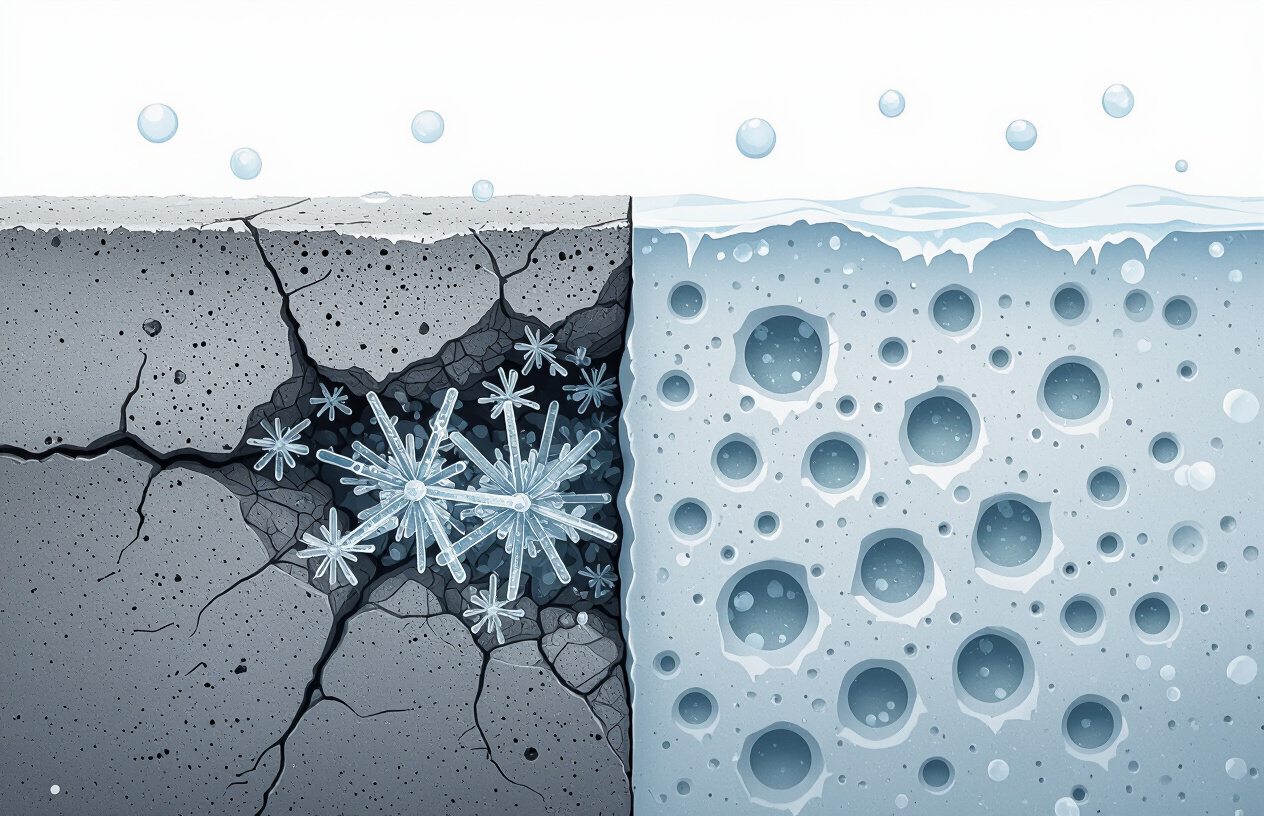
Air-entraining agents might seem counterintuitive at first. Why add tiny air bubbles to concrete? These microscopic voids create space for water to expand when it freezes, boosting freeze-thaw resistance by up to 300% according to research from concrete industry standards. Any project in cold climates absolutely needs this protection.
When speed matters, accelerating admixtures deliver. They reduce initial setting time by 30-70%, letting you strip formwork earlier and speed up construction schedules. Emergency repairs and cold weather concreting benefit tremendously from this construction chemicals product category.
Waterproofing Compounds and Membrane Systems
Water damage ruins more structures than almost any other factor. Cementitious waterproofing creates a rigid barrier perfect for basements, water tanks, and foundations. Expect a 10-15 year service life from quality products applied correctly to properly prepared surfaces.
Liquid-applied membranes shine when you’re dealing with complex shapes and details. These seamless systems conform to irregular geometries and offer incredible flexibility, with elongation properties reaching up to 600%. No seams mean fewer potential failure points, which is exactly what you want in waterproofing.
Crystalline waterproofing takes a completely different approach.
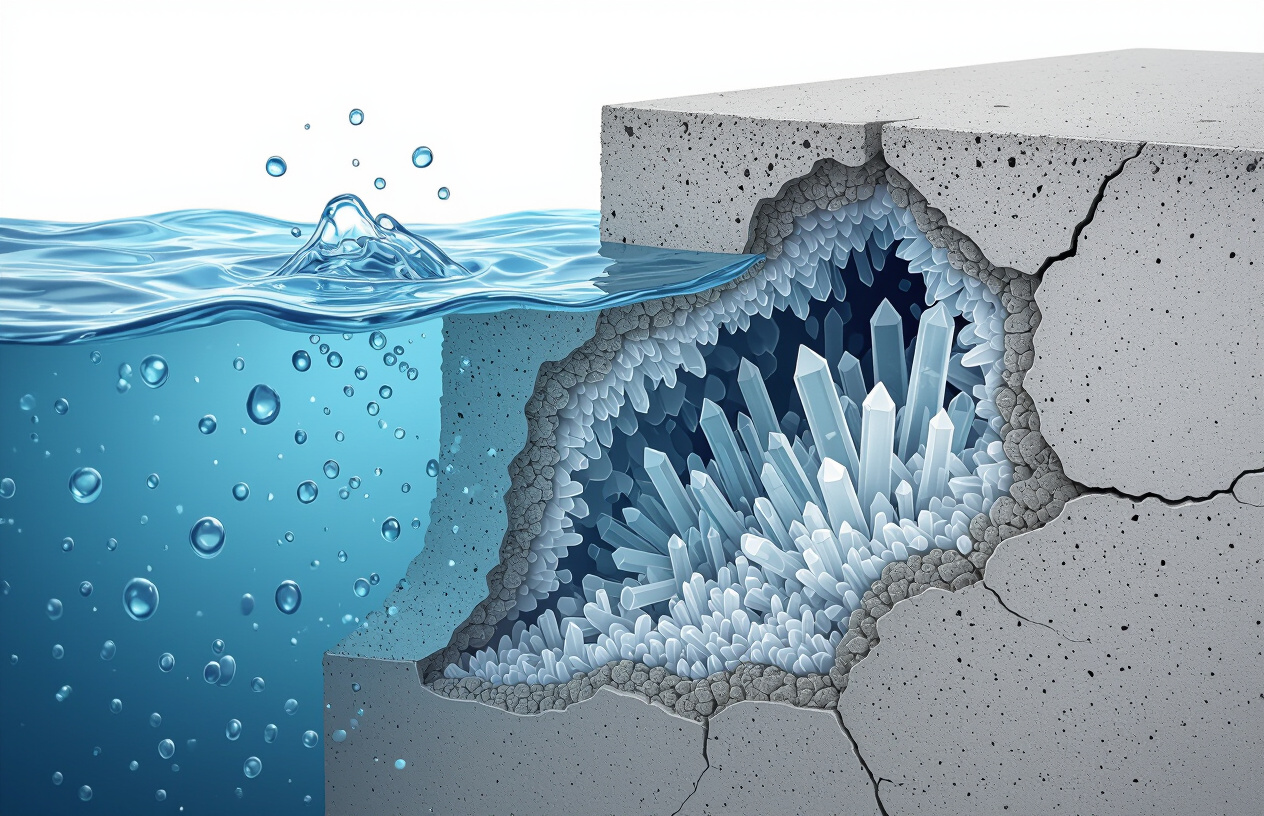
This construction chemicals product actually penetrates concrete up to 30cm deep, forming crystals that block water pathways. Even better, it can self-seal cracks up to 0.4mm wide. The system becomes part of the concrete itself rather than just sitting on the surface, offering long-term protection that doesn’t depend on surface coating integrity. ASTM provides comprehensive standards for evaluating waterproofing performance.
Bituminous coatings remain the go-to choice for below-grade applications where cost matters. They bond exceptionally well to concrete and provide reliable protection against hydrostatic pressure. While not as sophisticated as newer systems, they deliver proven results at competitive prices.
Construction Adhesives and Bonding Agents
Joining materials together requires the right adhesive chemistry. Epoxy adhesives provide structural bonds with tensile strength exceeding 3000 PSI, making them ideal for concrete repairs, anchoring applications, and situations requiring maximum strength. These two-part systems create permanent, rigid connections.
Polyurethane adhesives offer flexibility that epoxies can’t match. Use them for expansion joints and applications involving dynamic loads or thermal movement. The elastic bond accommodates movement without failing.
Acrylic bonding agents create the bridge between old and new concrete. They improve adhesion by 85-95%, preventing delamination of repair materials and toppings. Simply apply to existing concrete before placing fresh material to ensure proper bonding.
Tile adhesives come in various formulations, each with different open times ranging from 20-60 minutes. Environmental conditions and substrate type influence which product works best. Understanding these timing windows prevents costly failures where tiles don’t bond properly. Industry resources on adhesive technologies provide detailed application guidance.
Sealants and Joint Fillers for Movement Control
Buildings move. Temperature changes cause expansion and contraction. Without proper joint treatment, this movement creates cracks and water infiltration problems.
Silicone sealants accommodate joint movement of ±50% while resisting UV degradation and weathering for 20+ years. Their flexibility and durability make them perfect for exterior perimeter joints, curtain wall applications, and anywhere long-term weather resistance matters.
Polyurethane sealants excel in horizontal joints and traffic-bearing applications. Their superior abrasion resistance withstands foot traffic, vehicle loads, and mechanical stress that would quickly destroy silicone. Parking decks, pedestrian plazas, and loading docks demand this construction chemicals product.
Polysulfide sealants bring exceptional chemical resistance to the table. Industrial facilities and wastewater treatment plants expose joints to aggressive chemicals that attack other sealant types. Polysulfides stand up to these harsh environments year after year.
Joint design requires careful calculation. Temperature fluctuations cause dimensional changes of approximately 0.065mm per meter per 10°C. Sealant industry standards provide formulas for determining proper joint width and depth based on anticipated movement.
Protective Coatings and Surface Treatment Products
Concrete surfaces face relentless attack from chemicals, abrasion, and environmental exposure. Epoxy floor coatings create a protective barrier with dry film thickness of 250-500 microns, delivering chemical resistance and abrasion protection in manufacturing facilities, warehouses, and commercial kitchens.
Carbonation slowly destroys concrete by neutralizing its alkalinity, allowing reinforcement corrosion. Anti-carbonation coatings prevent CO2 diffusion into the concrete, extending service life by 15-20 years. These coatings prove especially valuable on parking structures and buildings in urban environments with high atmospheric carbon dioxide.
Concrete densifiers harden surfaces chemically. They react with calcium hydroxide in concrete to form additional binding compounds, increasing surface hardness by 40-50% and eliminating dusting in industrial applications. Treated floors become easier to clean and maintain.
Most of the materials holding a building together are ones you’ll never see. The admixtures mixed into concrete, the waterproofing membranes buried beneath grade, the sealants tucked inside expansion joints. Construction chemicals do their work quietly. But when someone picks the wrong product or sources from a subpar supplier, the consequences show up loud and clear. Cracked foundations, leaking basements, peeling coatings, and repair bills that blow past the original budget.
The challenge is that the construction chemicals market is enormous. You’ve got hundreds of products across multiple categories, each with its own performance specs, application requirements, and compatibility concerns. A superplasticizer that works perfectly in one climate can fail in another. A waterproofing membrane rated for 600% elongation means nothing if it’s applied to the wrong substrate. Getting these details right matters more than most people realize.
This guide breaks down the essential categories of construction chemicals products, from admixtures and waterproofing systems to adhesives, sealants, and protective coatings. It also walks you through how to evaluate suppliers and make smarter procurement decisions that save money without cutting corners.