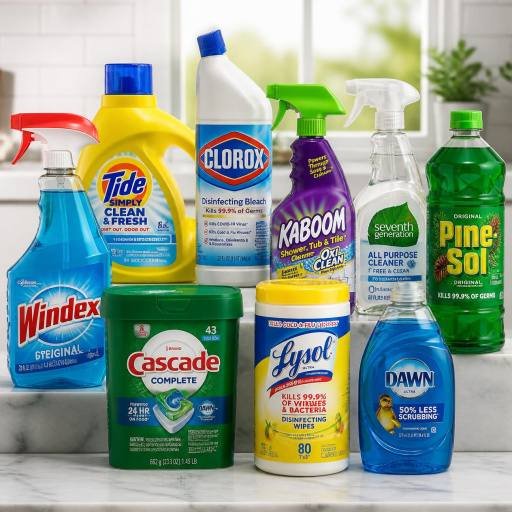
Cleaning Chemicals
The Ultimate Guide to Cleaning Chemicals: Types, Uses and Safety Tips
Cleaning chemicals are really good at making our homes and workplaces clean. They get rid of dirt, grease and bad germs from every surface. Cleaning chemicals are very powerful.
What Exactly Are Cleaning chemicals?
Cleaning chemicals are liquids that get rid of mess and kill bacteria. They work by breaking down stains and grime. You can find cleaning chemicals in liquid, powder, spray or granule form. Each type of cleaning chemical does a job. Some cleaning chemicals get rid of grease while others make surfaces clean. It is an idea to know the difference between cleaning chemicals so you can choose the right one. If you use the cleaning chemical it can hurt your surfaces or your health.
The Main Types of Cleaning chemicals You Should Know
Detergents – Your Everyday Helpers
Detergents are the common type of cleaning chemical. They help get rid of dirt and oils from surfaces. You use detergents to wash your clothes wash your dishes and clean your counters. Detergents are very good at getting rid of messes. They make your clothes smell fresh and your counters shine. Everyone uses detergents to clean every day.
Degreasers – Fighting Stubborn Grease
Degreasers are cleaning chemicals that get rid of heavy oil and fat. They work well in kitchens on stovetops, ovens and exhaust fans. Oven cleaners and industrial degreasers are types of degreasers. They break down buildup so you can wipe it away. Restaurant owners use degreasers to keep their kitchens clean and safe.
Disinfectants and Sanitizers – Germ Killers
Disinfectantsre cleaning chemicals that kill bad bacteria and viruses. They have ingredients like hydrogen peroxide or chlorine compounds. Sanitizers make germs go away without killing them all. Food preparation areas need sanitizers every day. Hospitals use disinfectants to stop infections from spreading. These cleaning chemicals keep us healthy in places.
Abrasives – Scouring Power
Abrasives are cleaning chemicals that have particles that scrub away tough dirt. They work great on sinks, bathtubs and tile floors. Pumice, calcium carbonate and silica are abrasive ingredients. However you should not use them on surfaces like glass or stainless steel. They can leave scratches if you are not careful. Always test abrasives on a hidden area first.
Acidic Cleaners – Removing Mineral Deposits
cleaning chemicals get rid of hard water stains, rust and limescale. Vinegar is an acid that you can use to descale. Toilet bowl cleaners have acids like hydrochloric acid. These cleaning chemicals turn mineral deposits into salts. The salts rinse away easily without scrubbing. Bathroom fixtures stay clean with use of acidic cleaners.
Alkaline Cleaners – Breaking Down Organic Matter
Alkaline cleaning chemicals have a pH that dissolves fats and proteins. Caustic soda is an alkali found in oven and drain cleaners. Baking soda is an alternative for household tasks. These cleaning chemicals break down buildup quickly. They are essential for cleaning greasy surfaces. Professional cleaners use alkalis for heavy-duty jobs.
Solvent Cleaners – Dissolving Sticky Messes
Solvent-based cleaning chemicals get rid of substances like adhesives and paint. Alcohols, acetone and d-limonene are solvents. They work where water-based cleaners cannot. Spot removers and heavy-duty degreasers often have solvents. These cleaning chemicals evaporate quickly without leaving residue. They are perfect for removing price tags or nail polish spills.
What’s Inside Your Cleaning chemicals?
It is an idea to know what is in your cleaning chemicals so you can use them wisely:
* Surfactants lift dirt and oils from surfaces
* Alcohols dissolve greases. Kill germs
* Chlorine Bleach makes surfaces white and kills bacteria
* Alkalies break down fats and protein deposits
* Acids get rid of rust, scale and mineral stains
* Enzymes digest stains like blood and food
Each ingredient does a specific job. The combination of ingredients determines how strong and safe the product is. Always check the label before using any cleaning chemical.
Specialized Cleaning chemicals for Specific Tasks
Bathroom Cleaners
These cleaning chemicals get rid of soap scum, limescale and germs from -porous surfaces. They combine degreasers and descalers for bathroom hygiene.
Glass Cleaners
Glass cleaners have alcohols and surfactants that make glass shine without streaks. They dry quickly without needing rinsing. Windows and mirrors look clear after use.
Oven Cleaners
Heavy-duty alkaline cleaning chemicals break down on grease and carbon. They turn residues into easy-to-wipe substances. Ovens look brand new after treatment.
Drain Cleaners
Acid or alkaline formulations get rid of clogs from hair, grease and food particles. These cleaning chemicals clear blockages without needing a plumber.
Metal Cleaners
Specialized cleaning chemicals. Polish stainless steel, silver and other metals. They have abrasives and chelating agents for shining.
Floor Cleaners
foaming cleaning chemicals are designed for specific flooring materials. Tile, wood and vinyl each need formulations for safety.
Cleaning Chemical Safety – Essential Rules
Never Mix Cleaning chemicals
Mixing cleaning chemicals can create toxic gases. Bleach and ammonia can hurt your lungs. Bleach and vinegar can release chlorine gas. Acid and bleach together can create more toxic fumes. Hydrogen peroxide and vinegar can create peracetic acid. Always use one cleaning chemical at a time.
Imagine mixing bleach and toilet cleaner in your bathroom. You might create a gas cloud that sends you to the hospital. Many people have made this mistake. Do not make the mistake.
Read Labels and Safety Data Sheets
Always read the instructions before using any cleaning chemical. Safety Data Sheets have information about hazards and guidelines for handling. They tell you what gear to wear. Following these instructions prevents accidents and injuries.
Wear Personal Protective Equipment
Use gloves, goggles and masks when handling cleaning chemicals. Splashes can burn your skin. Damage your eyes. Fumes can irritate your system. Proper protection keeps you safe during cleaning tasks. Professional cleaners always wear safety gear.
Ensure Ventilation
Work in well-ventilated areas when using cleaning chemicals. Open. Turn on exhaust fans. Fresh air reduces fume concentration indoors. Your lungs will thank you for the airflow.
Store Cleaning chemicals Safely
Keep cleaning chemicals in their labeled containers. Store them in dry places away from food. Lock cabinets to keep children and pets safe. Replace products after six months for effectiveness.
Eco-Friendly Cleaning Alternatives
Green cleaning options reduce impact significantly. Vinegar cuts grease. Removes stains naturally. Baking soda scrubs surfaces without abrasives. Lemon juice has antibacterial properties. Hydrogen peroxide disinfects without leaving residues. However even natural products require handling. Always read labels. Use them responsibly.
How to Choose the Right Cleaning chemicals
Consider these factors when selecting cleaning chemicals:
* Surface type – Glass needs -abrasive products metals need special formulas
* Dirt type – Use acids for mineral stains and alkalis for grease
* Safety needs – Consider allergies, ventilation and PPE requirements
* Environmental impact – Look for eco- certifications
Making the right choice saves time and protects your belongings.
Final Thoughts, on Cleaning chemicals
Cleaning chemicals make our lives easier and healthier. They get rid of dirt kill germs and keep spaces fresh. Understanding each type of cleaning chemical ensures you pick the product for every job. Always prioritize safety when handling these solutions. Your family’s health depends on use and storage. Start cleaning today by knowing your cleaning chemicals.